skip to Main Content
Choose your favourite topic
Kontrolle durch Loslassen beim Reiten

Find real control by letting go when riding

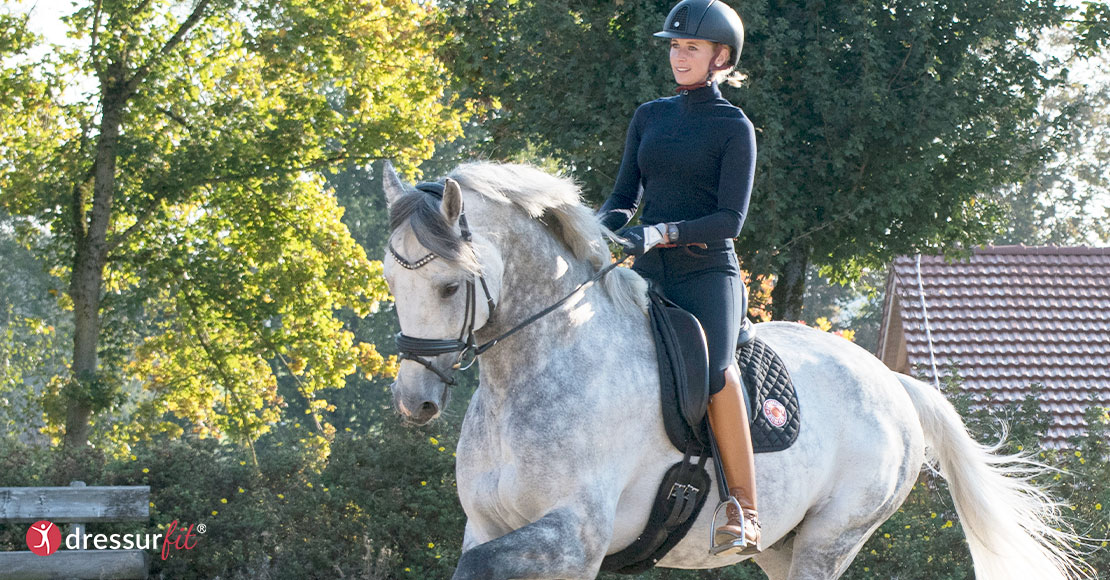
Having control when riding has nothing to do with forcing your horse to do something or forcing it into a particular shape. Being in control when riding a horse involves two things: on the one hand, that the rider is able to determine and guide the horse’s pace, direction and sequence of movements, and on the other hand, that the…
Become a Dressage Athlete!

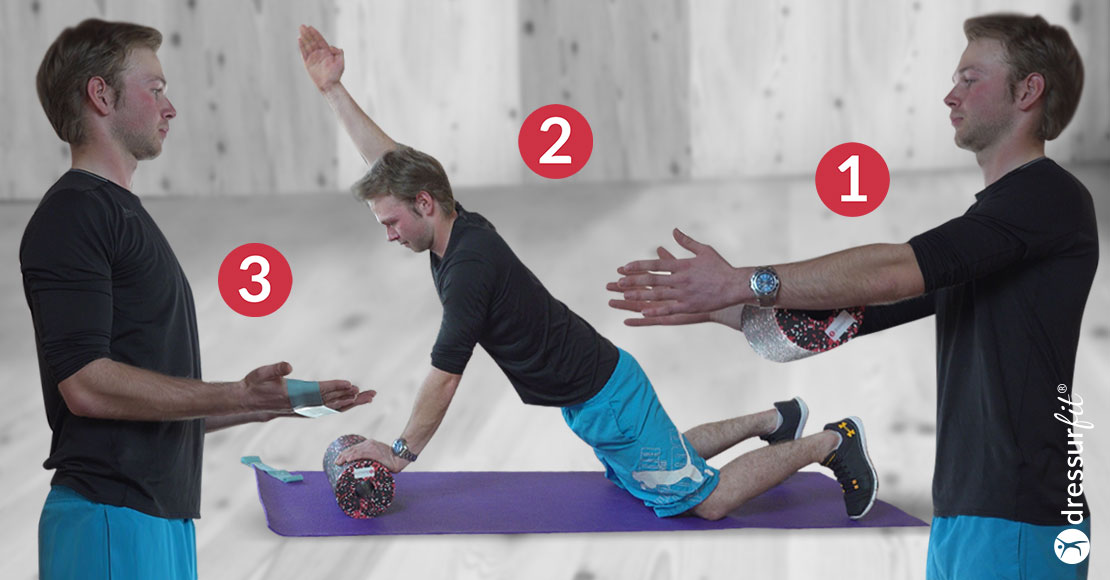
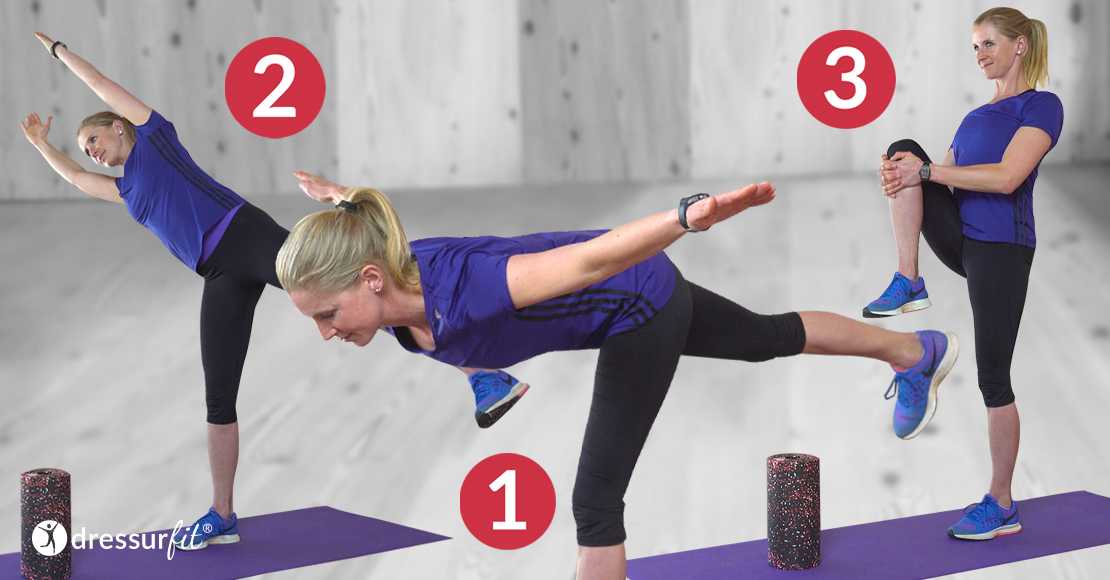
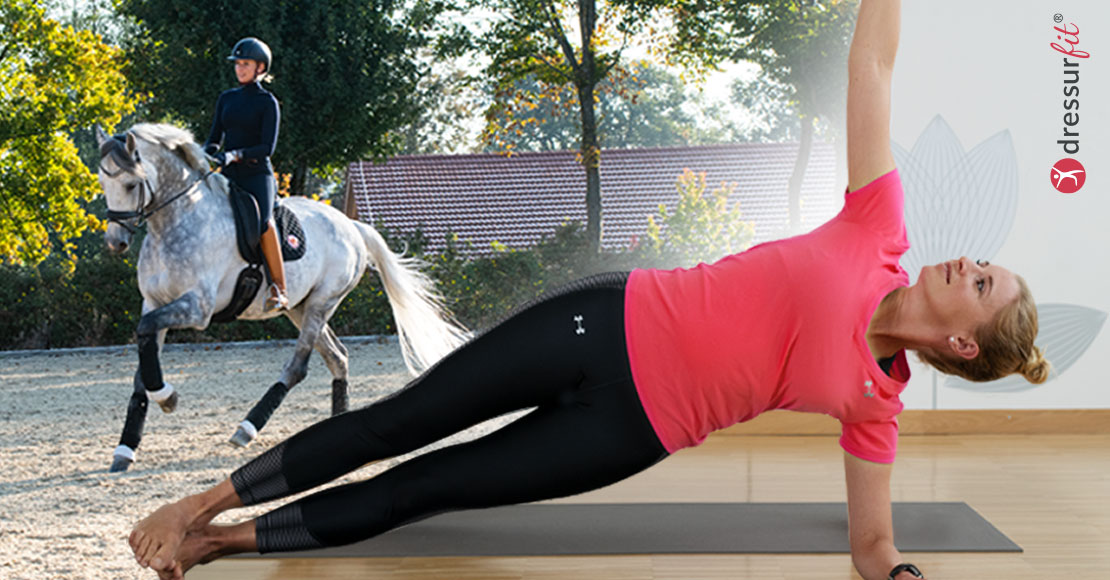
In terms of fitness, both professional riders with eight horses a day, and the recreational rider with one horse a day, can benefit enormously from having a structured training programme. The recreational rider should concentrate their training on strengthening body tension and core stability, as well as resolving any small or large body imbalances that they may have. Routine daily…

ruhiger stabiler Reitersitz

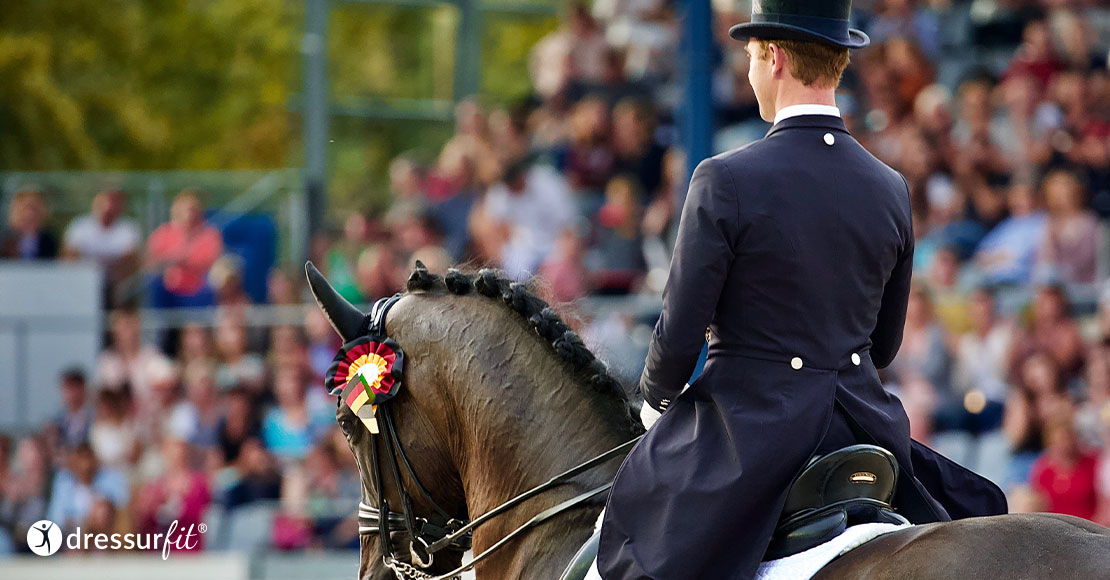
What defines a quiet, stable seat when riding?

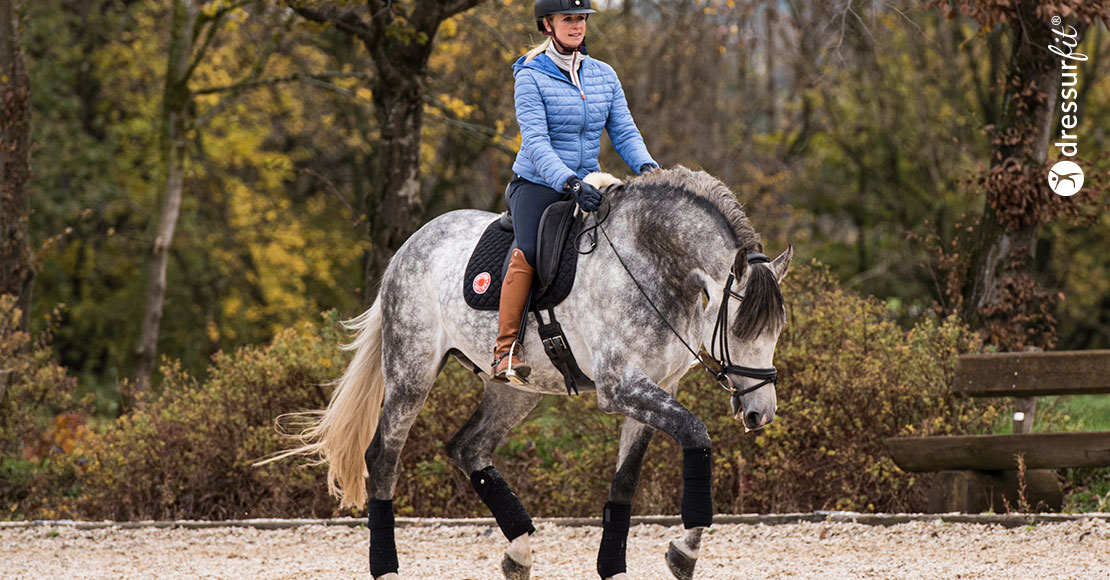
When Olympic Champion Jessica von Bredow-Werndl gets into the saddle, she has one principle: “I don’t just want to avoid disturbing the horse; I want to be able to shape it.” For this, a quiet, stable seat when riding is essential—and this is achieved by the rider through a complete package of a strong back, a stable core, and mobile…

Lösungsphase beim Reiten

Warm up – as short as possible, as long as necessary

20. November 2019

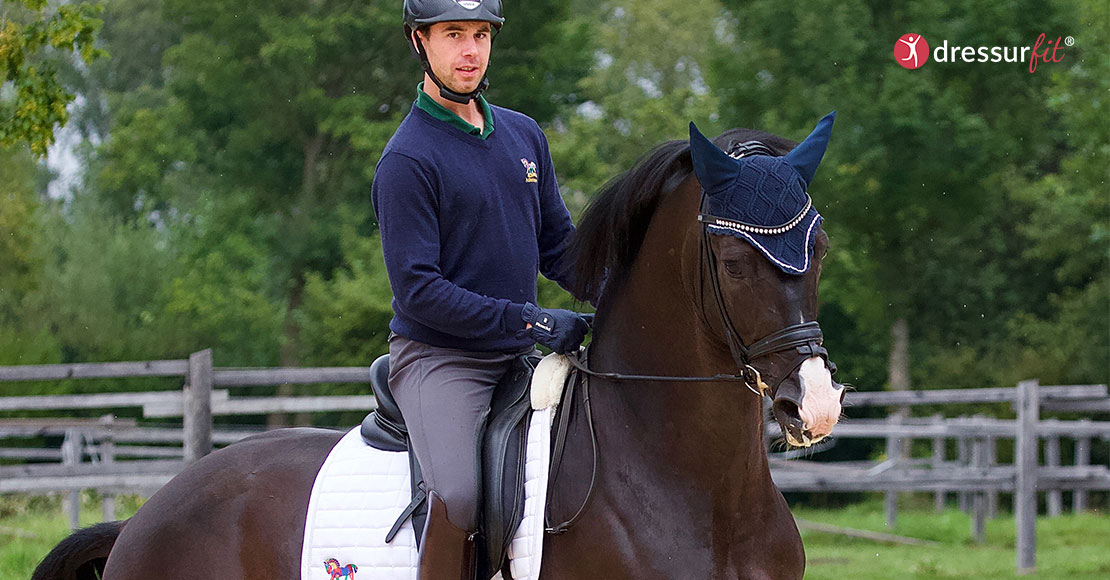
The warm up phase in your warm up is an important component of every training session. It is the foundation upon which further education and training are built. Crucially: The horse shapes the loosening phase – depending on age, level of training, training plan, and current condition. The warm up phase in riding Basically, the loosening phase is a warm-up…

The horse’s poll – always the highest point?

9. October 2019

There is no general answer to which head and neck position you should ride a horse in. This depends on the horse, its level of training and its form on the day. No matter how or what you train, the aim should always be a relaxed, supple, content horse that energetically goes forward with a swinging back. The FN guidelines…

Quiet Hands: 3 Exercises for Independent Rein Aids

25. September 2019

The rider should be able to give soft rein aids at any time, regardless of the bit s/he has chosen, or whether there are two or four reins: because the rider is holding the horse’s sensitive mouth in his hands. There are five types of rein aids: asking, yielding, non-allowing, supporting, and sideways-guiding. The Lynchpin of the Rider’s Seat That…

Performance Anxiety? A User Manual for Managing Show Nerves

4. September 2019

A test or an important appointment are approaching. We start worrying about our performance and skills. Will we be able to meet expectations? Can we perform as well under pressure as we do at home? Can we win? Your heart starts pounding, your hands are sweaty, relaxation or sleep are elusive – performance anxiety is taking hold. All of us…

Balance: The Essence of Good Riding

28. August 2019

The goal of under saddle training is to bring the horse into balance in motion, at the halt, and in the different movements. The prerequisite for accomplishing this is a rider who is balanced in the saddle him- or herself. Jessica von Bredow-Werndl explains: „It is important to me to be able to optimally sit all my horses so they…

A Skillful Approach to Dealing with Setbacks

21. August 2019

Acknowledging these two facts when considering how to deal with setbacks is crucial: Firstly, all of us – no matter how successful, smart, and self-confident – experience setbacks. Secondly, setbacks are not automatically bad. The idea is not to avoid setbacks but to deal with them skillfully. The first important step is to accept the setback and deal with it…

Back To Top